In recent years, the ketogenic diet, or keto diet, has gained significant popularity for its promising weight loss benefits and potential health advantages. This high-fat, low-carbohydrate eating plan is designed to shift the body’s metabolism into a state of ketosis, where it burns fat for fuel instead of carbohydrates. While the concept may seem daunting at first, understanding the basics and following a few key steps can set you on the path to successfully adopting and benefiting from the keto diet.
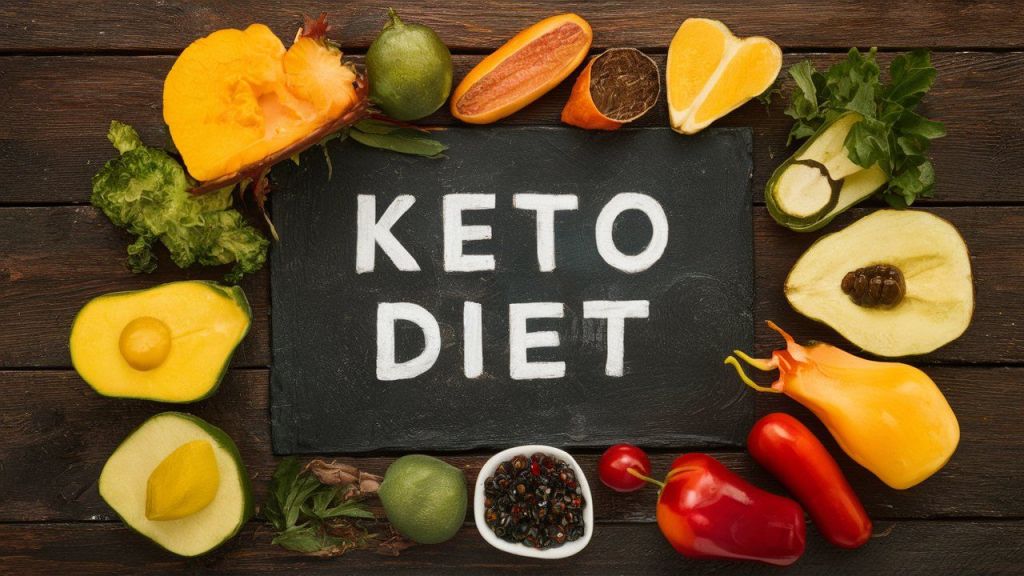
What is the Keto Diet?
The ketogenic diet is characterized by its focus on drastically reducing carbohydrate intake while increasing fat consumption. Typically, a standard keto diet consists of:
- High Fat: Approximately 70-75% of your daily calorie intake should come from healthy fats such as avocados, nuts, seeds, and oils.
- Moderate Protein: Protein intake is moderate, comprising about 20-25% of your daily calories. Sources include meat, fish, eggs, and dairy.
- Low Carbohydrate: Carbohydrates are restricted to 5-10% of your daily calories, primarily from non-starchy vegetables and small amounts of berries.
The goal is to enter a state of ketosis, where your body produces ketones from fat breakdown in the liver, serving as an alternative energy source instead of glucose.
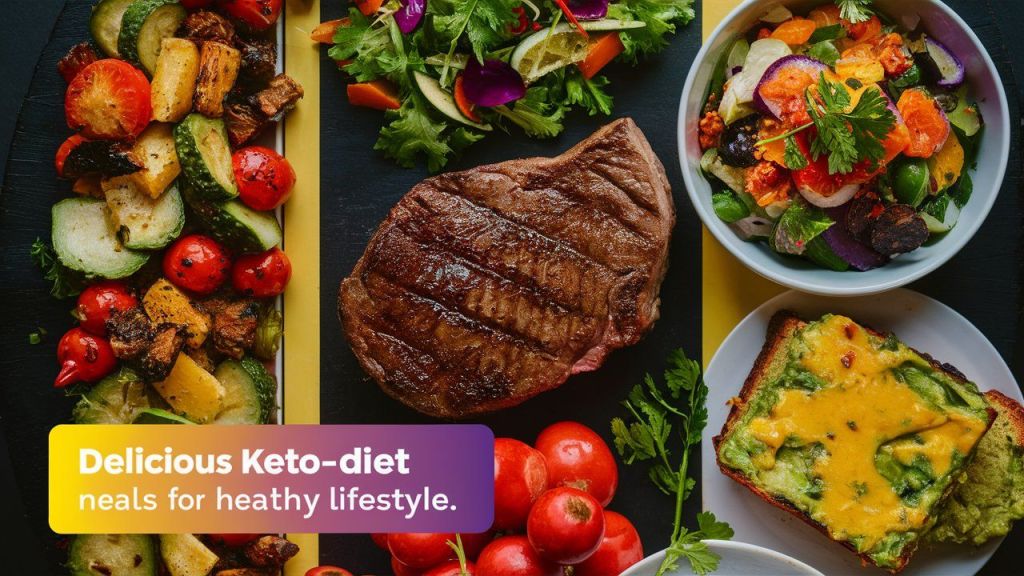
Getting Started with the Keto Diet
1. Educate Yourself:
Before diving in, familiarize yourself with the principles and guidelines of the keto diet. Understand which foods are keto-friendly and which to avoid. This knowledge will empower you to make informed choices and navigate potential challenges.
2. Plan Your Meals:
Planning is crucial for success on the keto diet. Create a weekly meal plan that includes a variety of fats, proteins, and low-carb vegetables. This not only ensures you meet your nutritional goals but also prevents impulsive decisions that could derail your progress.
3. Gradual Transition:
Transitioning to a ketogenic lifestyle can be challenging for some. Consider gradually reducing carbohydrates over a few weeks to minimize side effects such as fatigue or headaches, often referred to as the “keto flu.”
4. Stay Hydrated and Monitor Electrolytes:
Increased water loss occurs on the keto diet, so staying hydrated is essential. Additionally, replenish electrolytes (sodium, potassium, magnesium) through foods like leafy greens, nuts, and electrolyte supplements to maintain proper balance.
Tips for Long-Term Success
1. Listen to Your Body:
Pay attention to how your body responds to the keto diet. Adjust your fat, protein, and carbohydrate intake based on energy levels, hunger cues, and overall well-being.
2. Focus on Whole Foods:
Emphasize nutrient-dense, whole foods to ensure you receive essential vitamins and minerals. Avoid processed keto products that may contain hidden sugars or unhealthy fats.
3. Combine with Exercise:
Incorporate regular physical activity into your routine to enhance fat burning and promote overall health. While exercise is not mandatory for ketosis, it can complement your efforts and improve results.
4. Seek Support:
Join online communities or seek guidance from healthcare professionals or registered dietitians experienced in ketogenic diets. Sharing experiences and receiving personalized advice can provide encouragement and troubleshooting solutions.
Potential Benefits and Considerations
The keto diet has been associated with various benefits beyond weight loss, including improved blood sugar control, increased mental clarity, and reduced inflammation. However, it may not be suitable for everyone, especially those with certain medical conditions or dietary restrictions.
 health fitness
Leave a comment